


The Importance of Healthy Soil: How to Improve Soil for Productive Farmland
By United Country Real EstateApril 01, 2026
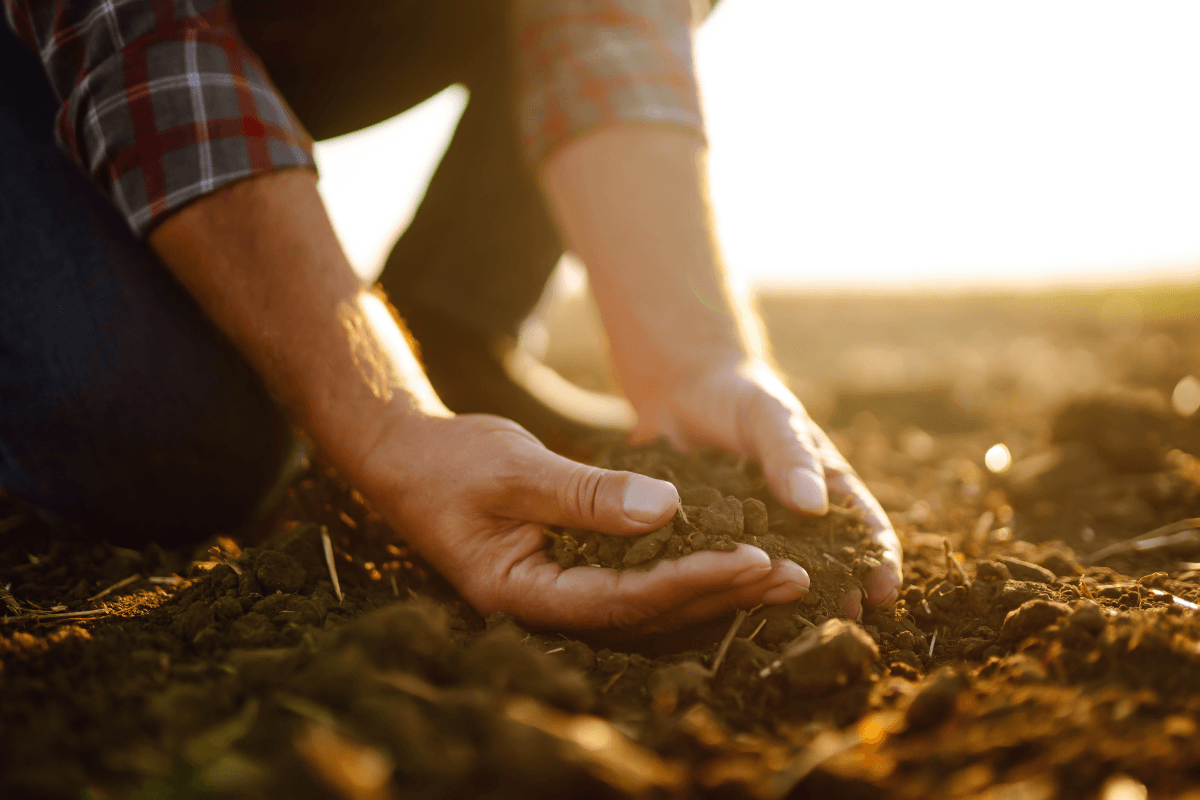
Soil health is one of the most important factors of a productive farm. Learn how to improve and sustain soil health on your land.
Healthy soil is extremely valuable on any American farm, but
it can be easy to overlook until a problem with productivity occurs. From
row-crop operations in the Midwest to hobby farms in the Southeast, soil health
directly influences crop yield consistency, water absorption and retention, as
well as long-term land value.
Soil health goes beyond being simply an agronomic concern.
It can influence the return on investment as a real estate factor that affects earning,
marketability and future sale potential.
What Soil Health Really Means
Soil health refers to soil's
ability to function as a living ecosystem that supports plants, animals and
people. Healthy soils are biologically active, structurally sound and capable
of managing water and nutrients efficiently and effectively.
Good soil health is all about balance. From the physical
structure to the organic life and chemical composition, soil can be a delicate
ecosystem that will hinder or help your crop growth. As healthy soil is alive
with microorganism that cycle nutrients, the elements work together to support root
development and regulate the moisture plants absorb. The incredible system of
the soil allows crops to access what they need when they need it.
When soil is healthy, it doesn’t compact. It absorbs
rainfall evenly and recovers even quicker from droughts, flooding or other
stressors. Key indicators of healthy agricultural soil include:
·
Stable soil structure that resists erosion
·
High organic matter content
·
Strong microbial activity
·
Efficient water infiltration and retention
Soil systems can sustain crop production year-after-year
more efficiently with all or a mix of these traits. Cropland and fields are so
much easier to manage when soil is healthy as it requires less manual labor and
interference, performing more consistently in the long run. By ensuring you
land is healthy from the ground up, you reduce input costs, stabilize yields
and make farmland more resilient during dry or excessively wet seasons.
Practices That Improve Soil Health
While every region has soil unique to them that comes with
different benefits and challenges, there are several proven practices that
consistently deliver results across American farmland. These practices include:
·
Cover cropping to add organic matter and protect
topsoil
·
Reduced tillage to preserve soil structure
·
Diverse crop rotations to balance nutrient use
·
Targeted irrigation to prevent saturation and
nutrient loss
These practices enhance productively and align with the
conservation standards that many lenders and buyers increasingly value.
Strong soil supports strong farms. Strong farms support
success.
Why Soil Health Matters to Farmland Value
From a real estate perspective, soil health directly impacts
a property's sustainability, effecting its ability to be sole in the future. Farms
with documented soil improvements often attract more interest from serious
buyers because they showcase responsible land ownership and reduced costs in
the future.
Healthy soils can:
·
Improve crop performance without increasing
fertilizer use
·
Reduce runoff and compaction issues
·
Support conservation and cost-share programs
·
Strengthen a farm's overall return on investment
When paired with practices like strategic
cover cropping and efficient
water management, soil health improves greatly over time.
How Soil Health Affects Farm Sales
For landowners considering a sale, document your soil
improvements and practices, so you can tell a stronger story during the marketing
of your property. Buyers are more confident investing in land that shows clear
evidence of sustainable practices and responsible ownerships rather than
short-term extraction.
Soil health is often part of big conversations around land
use, water access, infrastructure and long-term planning. It connects directly
to operational efficiency and plays a role in how farms perform under changing
weather patterns.
United Country land professionals and agriculture-based real
estate agents are experts in country, farm and lifestyle properties.
Related Articles:
Improve
Irrigation Efficiency Before Spring Rains
Best
Cover Crops for American Farmland
Sources: