



Improve Irrigation Efficiency Before Spring Rains
By United Country Real EstateDecember 29, 2025
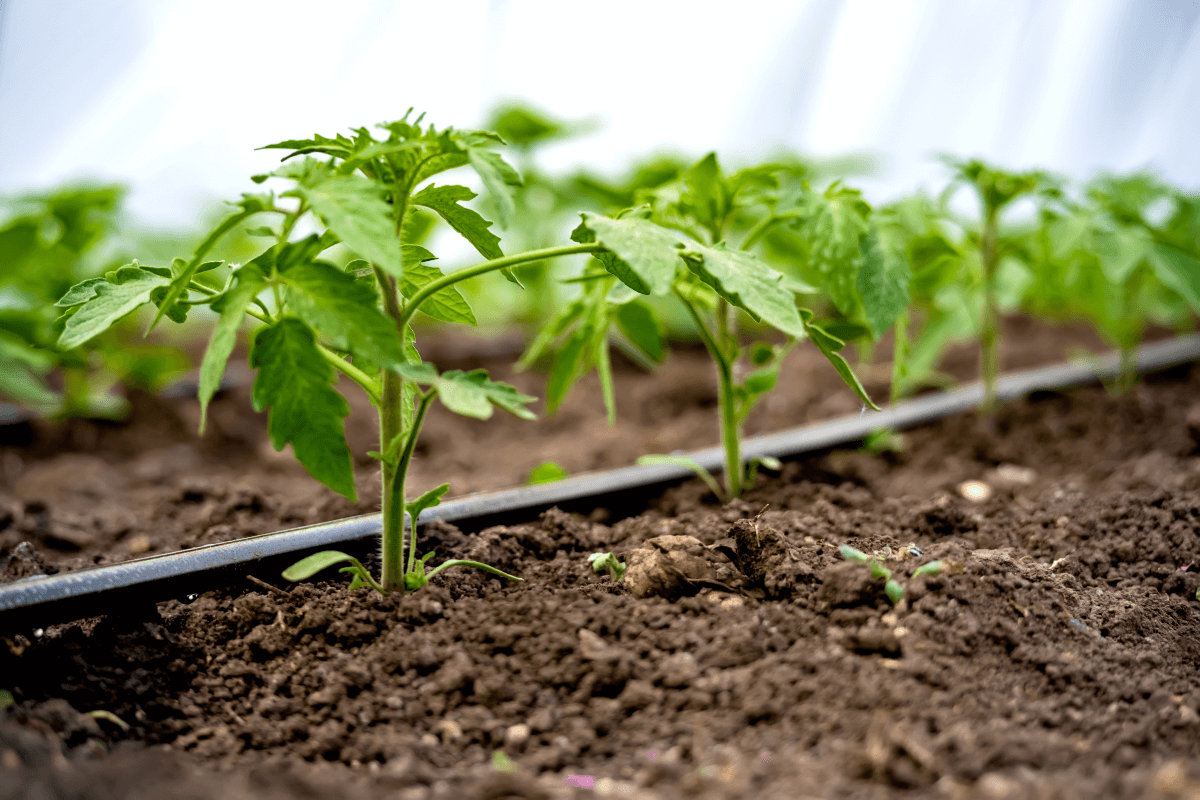
Spring weather is unpredictable and can make or break a growing season. Improve your irrigation's efficiency with this thorough guide today!
As spring approaches, many farmers all around the U.S. are focused
on planting schedules and predicting weather trends, but there is one critical
system that can often be overlooked or forgotten: irrigation. Irrigation, the
practice of regulating water to enrich and nourish the land, using artificial
methods, such as sprinkler, drip and sub-irrigation. Irrigation is used to
supplement rainfall and deliver water from wells, rivers or reservoirs directly
to the crops. Efficient irrigation management before seasonal rains can
significantly impact soil health, crop performance and long-term land
sustainability.
Preparing irrigation systems before the spring season starts
can help you handle rainfall, snowfall and more while protecting the valuable
resources in your soil.
Why Spring Preparation Matters
Spring rains can either recharge soil moisture, providing
more ideal planting conditions, or create costly problems if water isn't
properly managed. Poor systems can lead to runoff, erosion and nutrient
loss-issues that negatively affect soil health.
Efficient irrigation supports:
·
Consistent moisture levels
·
Reduced erosion during heavy rains
·
Better nutrient retention
·
Lower energy and water costs
These benefits tie closely to broader land stewardship goals
discussed in Soil Health: The Foundation of Productive Farmland.
How Do You Improve Irrigation Efficiency?
Before spring rains arrive, farmers should evaluate their
equipment and water strategy:
·
Inspect pumps, pivots and drip lines for leaks
or blockages
·
Adjust application rates to match soil type and
crop needs
·
Schedule irrigation to complement rainfall, not
compete with it
Improving irrigation efficiency starts with understanding
how water moves across your land’s soil. The composition of your land can
affect the timing and volume that is necessary for irrigation. Soil that contains
a lot of clay, loam or sandy soils all absorb and disperse water in very
different ways. Ensuring the right practices are in place can prevent surface
runoff, ponding and nutrient leaching, saving your land in the long run.
Reviewing
rainfall patterns and soil moisture data can also dramatically improve
irrigation efficiency. Due to the unpredictable nature of spring weather,
being flexible and making a plan for too much or too little rain is absolutely
critical. Farmers who use soil moisture sensors or manual field checks before
they start irrigation can reduce the amount of unnecessary water use while
maintaining properly hydrated crops and saving on utilities.
When paired with strong soil structure and organic matter, often
improved through cover cropping practices, efficient irrigation becomes even more effective.
Irrigation Technology
Irrigation technology has transformed since its beginnings
as simply surface irrigation in ancient civilizations, but in many ways, it has
remained the same. While the overall practice of artificially applying water to
land has stayed consistent over the centuries, technological advancements, like
the center pivot or drip irrigation, have made the practice much easier and
more efficient.
Modern irrigation technology focuses on precise delivery and
automation, so farmers’ lives are easier and watering crops is efficient. Variable
rate irrigation (VRI), GPS-guided pivot and sensor-based systems can help
you apply water only where and when you need to. These tools are especially
valuable in large-scale farms where soil conditions can vary within a single
field.
Advanced irrigation technology systems reduce the amount of
labor demanded from farmers, yet improve accuracy. With innovations like automated
shutoffs, remote monitoring and live alerts, you can respond even quicker to leaks,
pressure drops and weather changes.
Soil, Water & Land Value
From a real estate perspective, well-managed
irrigation systems showcase the potential of the property and its long-term
viability. Buyers are increasingly attentive to how farms manage water,
especially in regions facing tighter water regulations or fluctuating rainfall.
Documented irrigation upgrades for properties, as well as
water rights can stand out in competitive farmland markets.
Farms with documented irrigation efficiency often show:
·
Lower input costs
·
Reduced erosion damage
·
More consistent yields
·
Better adaptability to climate swings
These factors contribute to stronger land value, increased buyer
confidence and smoother farm sales. Buyers like to see a property being well
cared for with long-term productivity in mind.
How to Select Which Irrigation Method Works Best for You
Select the irrigation method that works best for you and your
land by determining what would work best for your crops, your budget and your
goals.
Every farm
is different and requires unique approaches to irrigation and crop management.
Factors like crop size, field size, slopes and hills, the composition of the
soil, available water sources and costs all influence which irrigation method
would work best for your land.
Irrigation improvements begin with farmers walking through
their land to identify problem areas. Pay attention to spots where water tends
to collect and sections that tend to need more attention. These problems areas can
reveal if a system is providing too much or not enough water to crops. Address
this issue before spring rains arrive to ensure targeted improvements are effective
rather than having to make quick fixes during the growing season.
Drip or Micro-Irrigation
Micro-irrigation or drip irrigation transports the
water precisely to the root of the crops. It’s slow and direct method
increases the amount of water that the plants absorb and decreases water wasted
by evaporation or runoff.
This irrigation method is achieved through a system of pipes
and valves on the soil’s surface or just below, typically underneath a layer of
mulch.
Sprinkler Irrigation
Sprinkler irrigation works as artificial rainfall, watering
the crops from above. This irrigation practice varies greatly in size based on
need. Similar to real precipitation, sprinklers distribute water evenly to large
sections of land.
Center pivots, lateral moves, pipes and sprinklers are key
elements to sprinkler irrigation. This method is versatile and effective, allowing
for famers to customize their sprinkler system to their farmland.
Sub-Irrigation
Sub-irrigation can be broken down into three major types:
subsurface drip irrigation, controlled drainage and greenhouse/container systems.
Subsurface drip irrigation calls for piping throughout the targeted area,
offering direct delivery to the root zone while controlled drainage utilizes
tile drainage systems to achieve the same result. Container systems are simple,
as it is achieved through placing potted plants in water trays and benches, which
can even be done within the home.
Surface Irrigation
Surface irrigation has been a common farming practice for
centuries. Sometimes also referred to as flood irrigation, farmers water their
crops by applying water to the field and let it flow throughout the crops. The
water will start to pool or run off, which requires farmers to cut off the
water at a good time and may need to drain the field.
Building a Resilient Farm System
Irrigation efficiency isn't just about saving water –it’s about
protecting soil, crops and investment. When irrigation planning works in tandem
with soil health initiatives and cover crop programs, farms are better
positioned for long-term success.
At United Country, these interconnected practices help tell
a complete story about a property's productivity, stewardship and future
potential.
Smart water management starts before the first spring rain
falls.
Related Articles:
Best Cover Crops for American Farmland
SoilHealth: The Foundation of Productive Farmland
Crop
Insurance Programs: A Quick Guide to Saving Money
Sources: