



That First Year on a Farm or Ranch Getting Your Systems Right
By Guest Contributor: Natalie JonesJune 15, 2026
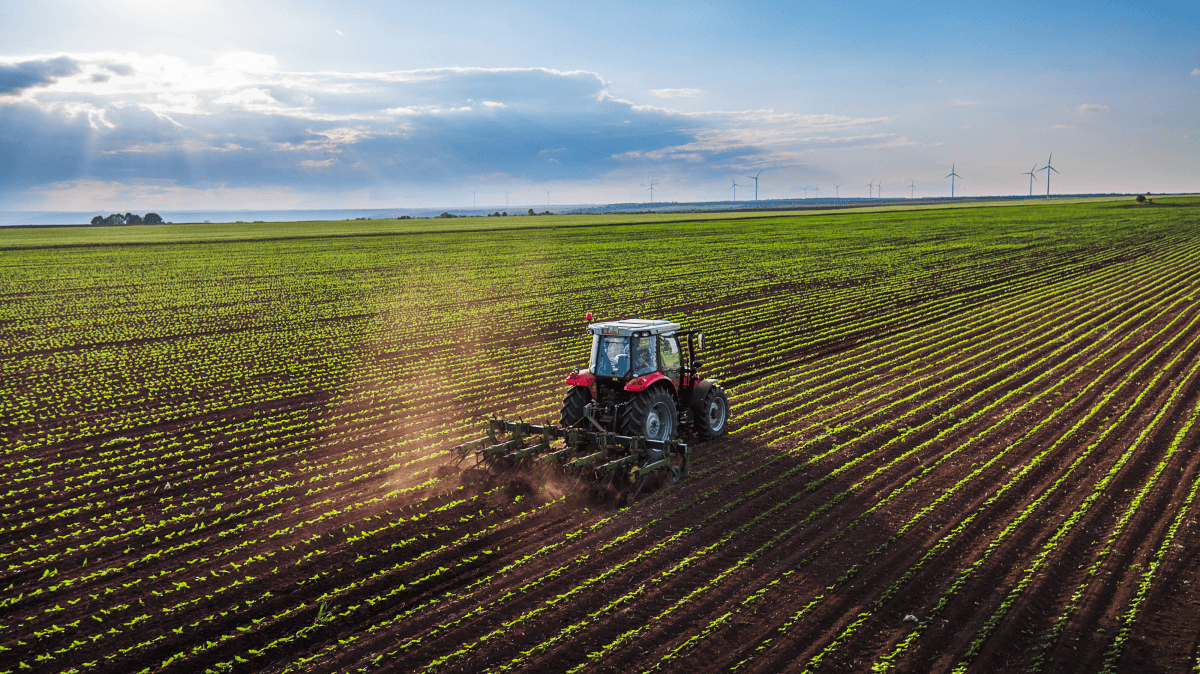
Learn what to prioritize during your first year of farm or ranch ownership, from water systems and fencing to equipment, storage and local resources.
New farm and ranch owners often arrive with a head full of
plans and a truck full of tools. That is understandable. Buying land is a major
milestone, and there is a short, lovely window where everything feels possible:
the pasture, the barns, the quiet, the space, the idea of building a life that
feels more grounded. Then the practical side starts tapping on the shoulder. A
gate does not close properly. The hay has nowhere dry to go. The old owner's
"good enough" water setup suddenly feels a little too mysterious. The
first year is where the dream becomes a working property, and that shift is not
a disappointment. It is the beginning of actually owning the place.
The Useful Version of the First-Year Plan
The first year is not the year to prove you can do
everything. It is the year to learn the property, stabilize the essentials, and
put simple routines in place before the busy seasons make every small weakness
louder. A farm or ranch does not run smoothly because the owner is
enthusiastic. It runs smoothly because water, fences, feed, equipment, records,
storage and local relationships are being handled before they become
emergencies. The best
goal for year one is not perfection. It is a property that becomes easier
to understand each month.
Walk It Like You're Responsible for It
Before ordering equipment, adding animals, expanding crops
or starting big renovations, spend time walking the land with a practical eye.
Not the real-estate-viewing eye. The ownership eye. Look at how water moves.
Look at where animals would push through. Look at whether delivery trucks can
turn around. Open sheds and ask what they are actually good for. Notice which
areas are dry, which are soft, which are exposed, and which are only useful
when the weather is kind. Pay attention to:
·
Fence lines,
corners, gates and road-facing boundaries
·
Water sources, pumps, troughs, wells, tanks and
irrigation points
·
Access roads, laneways, loading areas and
turning space
·
Hay, feed, chemical, fuel and machinery storage
·
Drainage around barns, sheds, yards and
driveways
·
Workshop power, lighting, ventilation and
general safety
·
Existing yards, pens, stalls, chutes, crushes or
crop infrastructure
This is not about finding fault with the property. Every
rural place has problems. It is about knowing which ones matter now and which
ones can wait.
Sort Problems Before They Sort You
New owners can lose weeks chasing whatever looks most
annoying that day. A better approach is to divide jobs into practical
categories and keep revisiting the list.
|
Category |
What belongs
here |
How to treat
it |
|
Urgent |
Broken
perimeter fencing, unsafe wiring, failed water, livestock
escape risks |
Handle
immediately or stop using that area |
|
Important |
Feed storage,
machinery shelter, usable gates, delivery access |
Schedule early
in the first year |
|
Seasonal |
Hay before
winter, fire preparation, irrigation, planting, mud control |
Work backwards
from the season |
|
Efficiency |
Better
shelving, improved laneways, reorganized sheds, added paddock divisions |
Do once the
essentials are stable |
|
Nice later |
Cosmetic
upgrades, landscaping,
non-essential building work |
Let these wait
without guilt |
This kind of sorting sounds almost too simple, but it keeps
a new property from becoming one long, expensive reaction.
The Unromantic Logistics Matter
Farm and ranch life involves a lot of moving things from one
place to another. Bags of feed. Wire. Posts. Gates. Replacement parts. Seed.
Tools. Hay. Palletized supplies. Odd-shaped things that do not stack neatly and
never seem to arrive when the weather is pleasant. A small amount of planning
here saves a lot of irritation. Keep tie-downs, tarps, labels, spare pallets,
storage tubs and basic bundling supplies where you can actually find them. New
owners should also keep PET
strapping on hand for securing awkward loads such as fencing materials,
feed bags, parts and loose supplies when moving them by truck, trailer or
between buildings. It is one of those inexpensive shed items that feels
unnecessary until a load shifts on a rough road, and then it feels obvious.
The Property Search Shapes the First Year
Some first-year struggles begin before the purchase is
final. A beautiful place can still be the wrong place for the buyer's intended
use. Water may be limited. Fencing may be unsuitable. Access may be awkward.
Outbuildings may look charming but fail at basic storage. Soil, slope,
drainage, distance to suppliers and local service availability all matter more
once the property has to function.
Buyers still looking for the right farm, ranch or country
property may benefit from working with United
Country Real Estate, a long-established network focused on rural and
lifestyle real estate. United Country works across categories such as farms,
ranches, country homes, hunting land, recreational property, equine properties,
vineyards and rural commercial properties, and the company has been associated
with country real estate since 1925. For buyers who want land that fits an
actual operating plan, not just a daydream, a rural specialist can help ask
better questions before the first year begins.
Find the Local People Before You Need Them
Every rural area has its own working network. Feed
suppliers. Hay growers. Vets. Mechanics. Farriers. Fence builders. Gravel
haulers. People who know pumps. People who know tractors. People who know which
roads wash out and which neighbor has the right piece of equipment sitting in a
shed.
Visit the local feed store. Ask who delivers. Ask what
people run short of in your area. Ask who is reliable for fencing and who can
repair machinery without turning a small problem into a large invoice. Find the
large-animal vet before there is an animal in trouble. If you are growing
crops, talk to local producers and service providers before making assumptions
from a book or a video.
Another Resource Worth Checking Out
For new producers in the United States, the USDA's Beginning
Farmers and Ranchers page is a practical place to start. It gathers
information on farm loans, conservation, crop insurance, disaster assistance
and local USDA service centers. The value is not that one page will tell you
how to run your particular property. It is that it points you toward programs
and offices that many first-year owners do not know exist until they are
already stressed. Bookmark it early, then use it when planning finances, risk
management and long-term growth.
Common First-Year Questions
What should new farm or ranch owners fix first?
Start with water, fencing, access and safety. If people,
animals, vehicles and supplies cannot move safely and predictably, other
improvements will not matter much.
Should I buy equipment right away?
Buy slowly where possible. Learn what jobs repeat, what can
be hired out, and what your land actually needs before filling a shed with
machines.
Is it better to start with livestock or crops immediately?
Not always. Many owners are better off spending part of the
first year improving infrastructure, learning the seasons and getting records
in place before adding more complexity.
What is the most common early mistake?
Doing too much too quickly. Rural property rewards patience.
The land will tell you what it needs, but usually not all at once.
Conclusion
The first year on a farm or ranch is where ownership becomes
stewardship. The work is less dramatic than the purchase, but it's what makes
life more sustainable. Walk the land, make honest lists, build local
relationships and create simple systems before pressure builds. A well-run
property is not made in one heroic season; it's made through steady attention,
repeated habits and respect for the realities of the land.